
The day Google’s Open Knowledge Format landed, my feed filled with the same energy every new Google acronym brings: do this now, or AI will pretend your site does not exist. We have lived through enough of these cycles to know most of that advice does not survive contact with the actual documentation. So here is a calm, evidence-first look at what is myth and what genuinely helps your WordPress site show up in AI search in 2026.
What you’ll learn: the five AI SEO myths making the rounds right now, what Google and the actual specs say about each one, and the short, boring list of things that really move the needle. Every claim below is checked against a primary source, not vibes.
Myth 1: You need Google’s new OKF to rank in AI
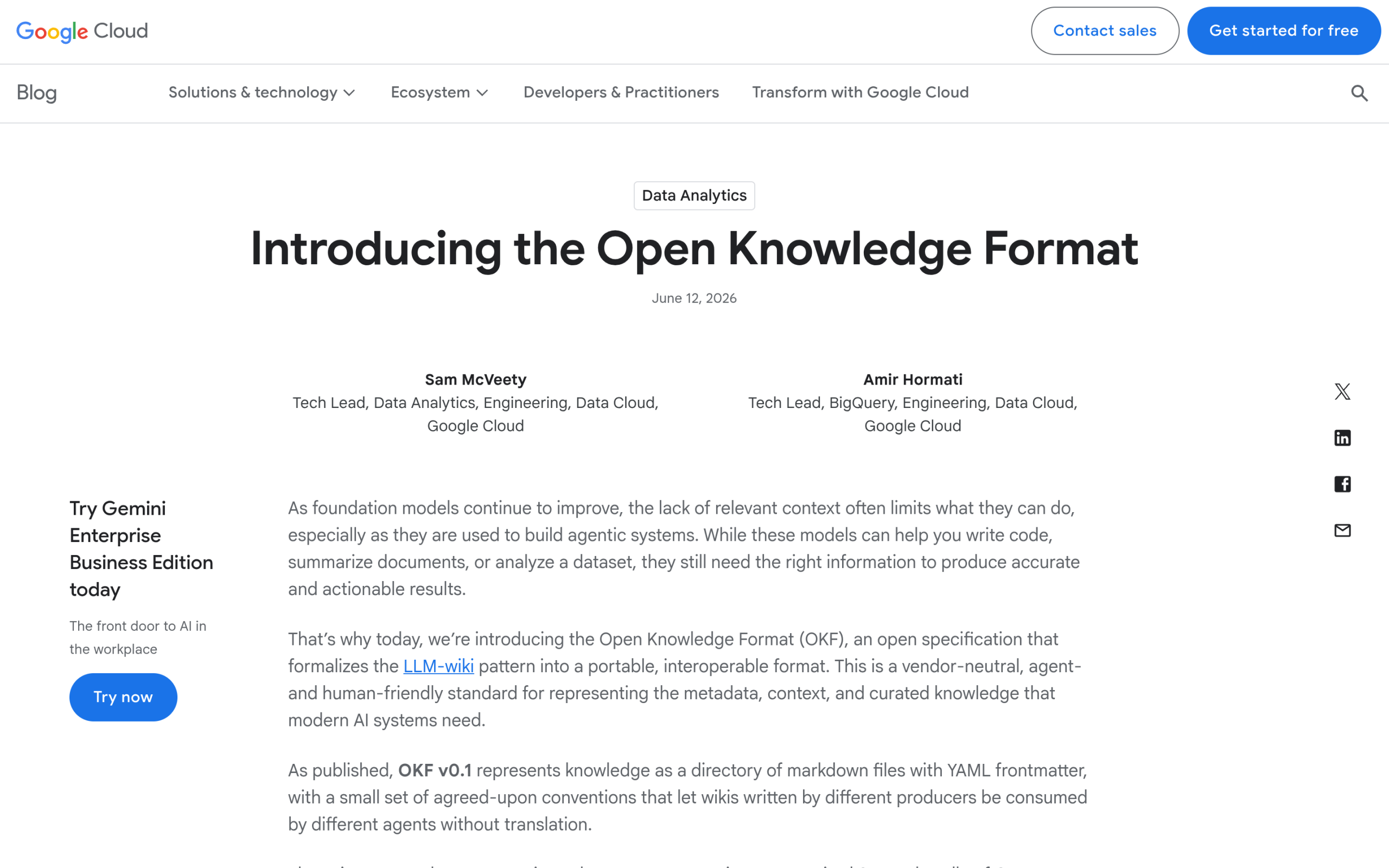
The Open Knowledge Format is a Google Cloud standard for representing internal organizational knowledge as a directory of Markdown files that AI agents can read. It is genuinely useful for that job, and it is version 0.1. What it is not is a Google Search ranking signal. Even people enthusiastic about the format say plainly that a bundle will not move your rankings or your AI visibility this week. If you run a public WordPress blog, you do not need to build one. Our full OKF guide walks through what it actually does.
Myth 2: Adding llms.txt gets you cited by AI
llms.txt is a fine, low-cost file to publish, but the evidence that AI engines actually use it is thin. As of early 2026, no major AI company, including Google, OpenAI, and Anthropic, has committed to consuming llms.txt in production. Google has said publicly that it does not use it. Audits of AI crawler logs find the file is requested rarely, on the order of a fraction of a percent of AI bot traffic. Publish it as a cheap hedge if you want, but do not expect it to earn citations on its own. We compared it to OKF in detail in OKF vs llms.txt, and our llms.txt guide covers how to set one up.
Myth 3: You need special schema or AI files for Google’s AI Overviews
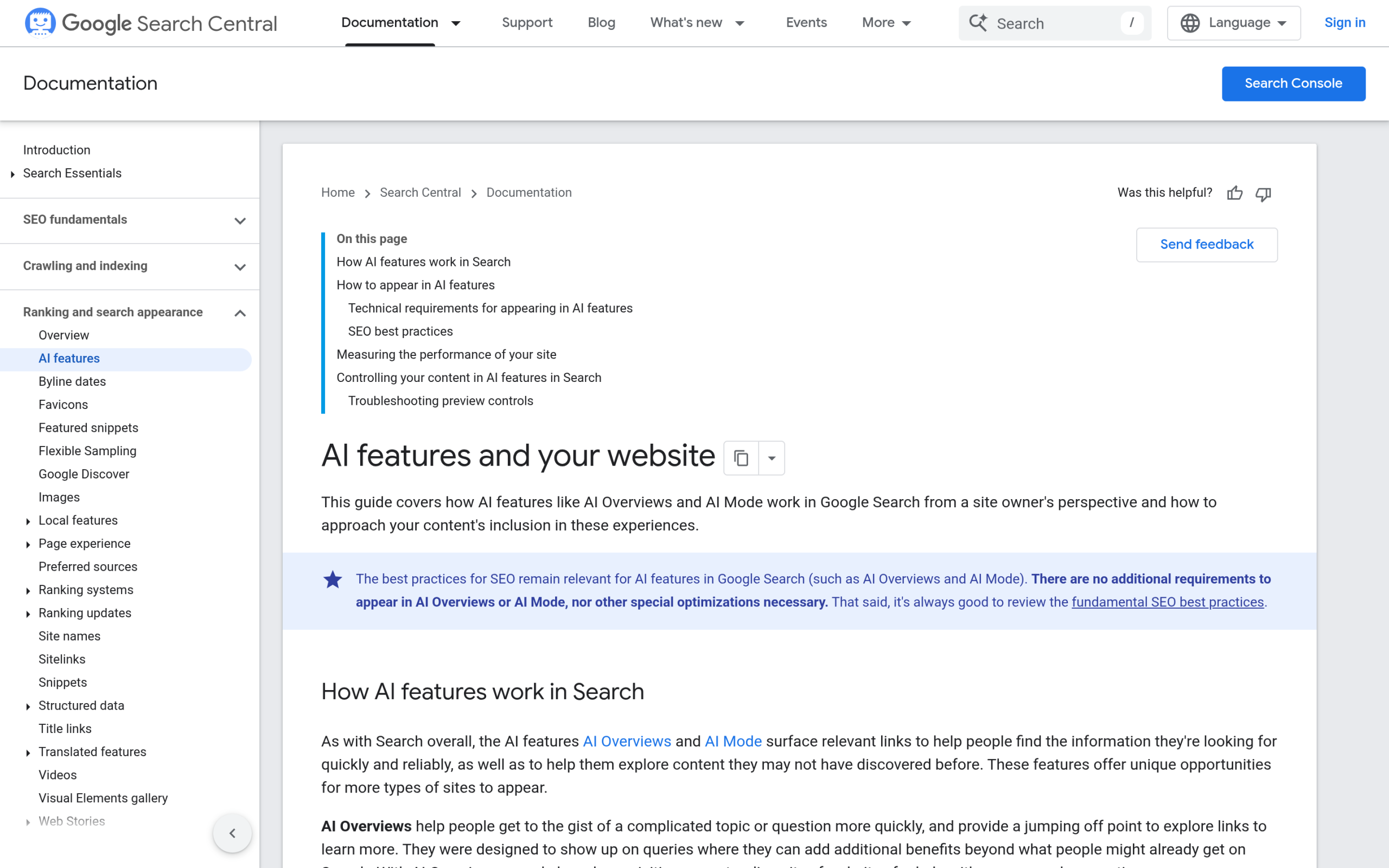
Google could not be clearer on this one. Its AI-features documentation states, word for word: “There are no additional requirements to appear in AI Overviews or AI Mode, nor other special optimizations necessary.” It continues: “You don’t need to create new machine readable files, AI text files, or markup to appear in these features. There’s also no special schema.org structured data that you need to add.” To be eligible, a page simply needs to be indexed and eligible to show with a snippet. Schema markup is still worth doing for rich results and for how non-Google engines parse your pages, but it is not a secret key to AI Overviews. Our schema markup guide covers the free ways to add it.
Myth 4: AI killed SEO, so the old playbook is dead
The same Google documentation points straight back to foundational SEO best practices: meet the technical requirements for Search, follow the policies, and create helpful, reliable, people-first content. The surface changed, the fundamentals did not. Most of what people now call answer engine optimization is classic SEO discipline applied to a new results layout, plus a sharper focus on answering the question directly. If your SEO was sound last year, you are not starting over.
Myth 5: There is a secret tool that guarantees AI citations
No tool can guarantee a citation, because no major engine exposes a switch that grants one. Be skeptical of anything that promises otherwise. What an honest tool can actually do is measure: show you which AI crawlers fetched your pages, which posts get pulled most often, and where your structure is weak. That is real value. A guarantee of citations is not. We dug into this in what an AI SEO tool actually does.
What Actually Helps
Strip away the myths and a short, unglamorous, effective list remains.
- Publish genuinely helpful content that answers the question better than the page ranking now.
- Keep the technical basics clean: indexable, fast, crawlable, and snippet-eligible.
- Add schema where it earns rich results and helps non-Google engines understand your pages.
- Give machines a clean read of your content, then measure what AI bots actually do with it.
That last point is where a tool like RankReady fits, honestly. It logs which AI crawlers hit your site, surfaces the posts that citation-style bots fetch most, scores each post from 0 to 100 on schema, freshness, content depth, and author signals, and generates your llms.txt and per-post Markdown if you want the hedge. None of that guarantees a citation. It tells you the truth about where you stand, which beats guessing. RankReady is free, released under the GPL-2.0 license, runs on WordPress 6.0 and PHP 7.4 or higher, and works alongside Rank Math, Yoast, AIOSEO, and SEOPress.
The Bottom Line
AI search is new enough that confident advice is everywhere and evidence is rare. The pattern in 2026 is clear: no single file or format is a magic key, Google says outright that its AI Overviews need no special markup, and the fundamentals still win. Publish helpful content, keep your technical house in order, add schema where it pays, and measure what AI actually fetches. Ignore anyone selling you a shortcut.
Suggested Reading
- What Is Google’s Open Knowledge Format (OKF)? A WordPress Owner’s Guide
- OKF vs llms.txt: Two Ways to Feed AI Your Site’s Knowledge
- What Is an llms.txt File and How to Add One in WordPress
- What Is Answer Engine Optimization (AEO)? A WordPress Guide
- Schema Markup Generator for WordPress: The Free Ways to Do It
- What an AI SEO Tool Actually Does (and Whether You Need One)