




To unblock a website, connect to a VPN, route the request through a proxy, or switch your DNS server. The right fix depends on who is blocking the site: your school or workplace network, your internet provider, the website itself, or your own device.
| Who Is Blocking It | Best Fix |
|---|---|
| School or workplace network | VPN, proxy, or a DNS change (check your acceptable use policy first) |
| Your internet provider or government | Change DNS servers, use a VPN, or use the Tor network |
| The website itself (geo-block) | VPN or Smart DNS set to an allowed country |
| Your own device, browser, or router | Check browser extensions, security settings, and any router or ISP content filter |
When you are on a particular network, such as a school or workplace, encountering a blocked website is all too common. There could be various reasons for such entities to block websites like security concerns, inappropriate content, or simply to ensure productivity in a certain setting.
Other times, you might encounter a blocked website because of the site’s own policies. Whatever the reason, running into a blocked website can be frustrating, leading to a poor browsing experience on the internet.
Thankfully, there are several practical ways to bypass this censorship and unblock websites. This article walks through 9 working methods to get around blocked websites.
Key Takeaways
- Use a VPN to bypass most website blocks.
- Try proxies, Tor, or change DNS settings.
- Use the Wayback Machine, a mobile hotspot, or the site’s IP.
Why Websites Get Blocked?
Website blocking typically happens when someone is trying to prevent access to certain websites. It can affect your browsing experience and stop you from using the internet for work, research, or entertainment.
Most websites can get blocked in these three ways-
- Blocked by the network you’re using, such as the Wi-Fi at an institution or workplace
- Blocked by the website
- Blocked by the internet service provider or even the government
Websites are usually blocked for various reasons, including security issues, restricted content, or for enforcing regulations on certain content.
However, based on the type of block and the websites you’re trying to access, there’s usually a workaround for accessing blocked websites.
Worried that your Elementor website is vulnerable to security attacks? Check out the 6 Best Security Plugins for your site to keep it safe.
Is It Legal to Unblock Websites?
It depends on the type of website you want to access and the country you are in whether it is legal to unblock a website.
For instance, if the government of your country has blocked a certain website, it can be illegal to unblock it. Further, unblocking websites that are blocked because of their own policies or those that contain censored information can be illegal.
On the other hand, using a VPN is legal in most countries except a few, so using it to unblock website browser is completely legal.
How to Unblock Websites [Working Methods]
Let’s explore different solutions you can try when you’re not sure how to access a blocked website-
1. Using Virtual Private Network (VPN)
The most common answer to your question “how to bypass internet blocks” is a VPN. A VPN (Virtual Private Network) encrypts and reroutes your internet traffic and extends your private network onto a virtual public network.
In simpler words, instead of visiting the website directly, you are doing so via VPN, which acts as a middleman. This means that with a VPN, both your IP address and traffic are hidden and secure from the website you are visiting.
They make your online activity anonymous, preventing your internet service provider from tracking you when you visit a blocked website.
Here’s how you can set up a VPN:
- Sign up for a VPN client on your desktop or browser
- Install the app and log in
- Connect to a server
- Turn on your connection, and you’ll be able to access blocked websites
2. Using Proxy Servers
Like a VPN, a proxy server also acts as an intermediary, reroutes traffic through its own server, and hides your IP address from the website. You simply request access to a website through the proxy server, and it fetches and displays the content to you.
When you use a proxy server to access a blocked website, the access request appears to be coming from the server, which allows you to bypass any restrictions imposed by the network or ISP.
The best part is that proxy servers are free and require no installation, making them an excellent tool for accessing blocked websites.
However, a key difference is that proxy servers do not encrypt data like VPNs do. As a result, your traffic is visible to third parties and can make you vulnerable to security threats.
3. Using the Tor Network
Tor network, short for “The Onion Router”, is a free, open-source network that allows you to access the internet anonymously.
It routes your data through a network of volunteer servers to hide your IP from the website, protect your privacy, and even bypass restricted websites.
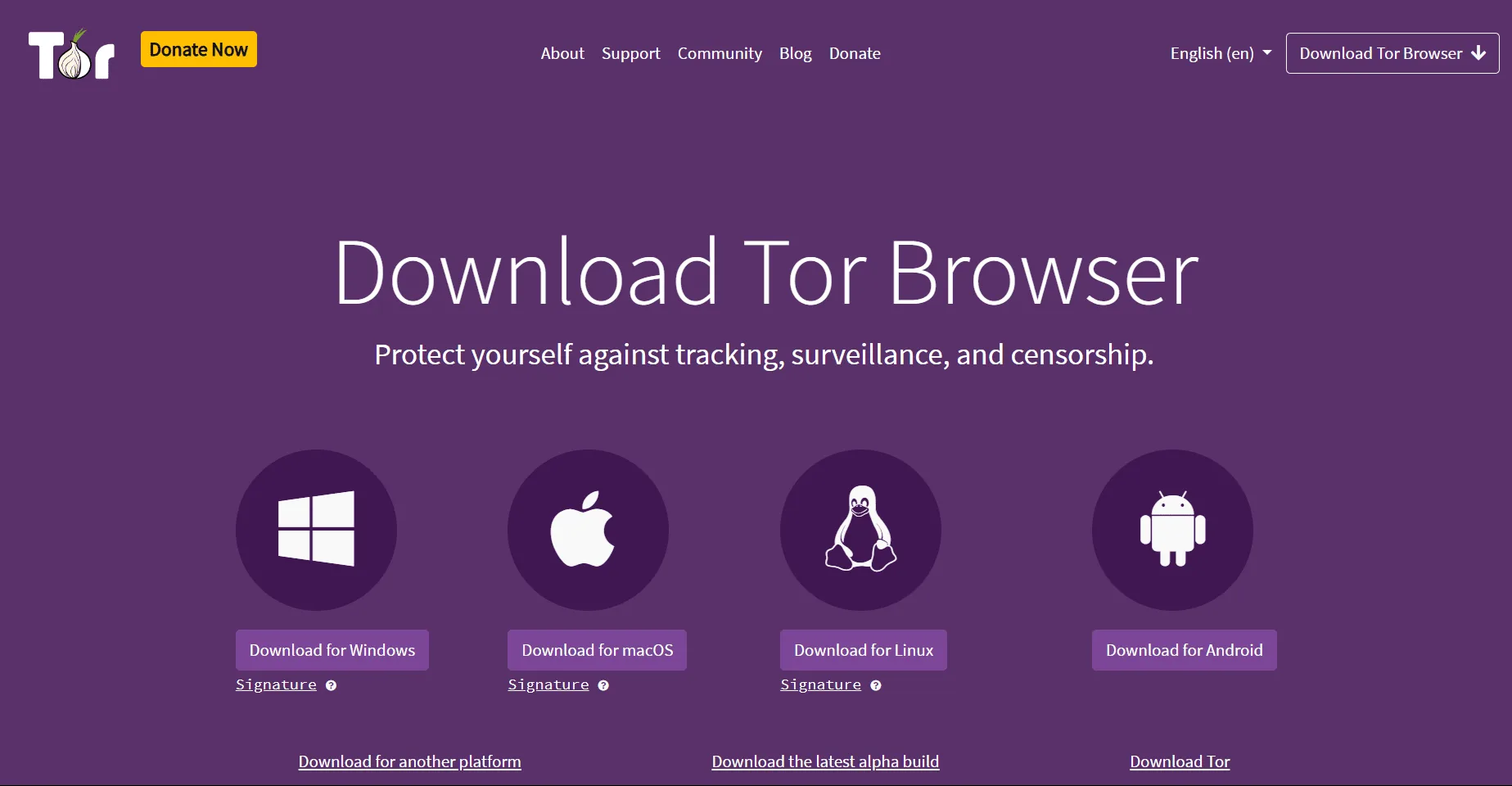
While VPNs and proxies rely on dedicated servers, the Tor network uses a large network of volunteer servers. Using it is easy and completely free: you only need to download the Tor browser, select a connection, and you’re good to go.
4. Changing DNS Servers
IP addresses are generated from domain names using DNS servers. Oftentimes, websites might be blocked by manipulating the DNS or banning your IP address.
If that’s the case, switching to a different DNS server can help you unblock websites.
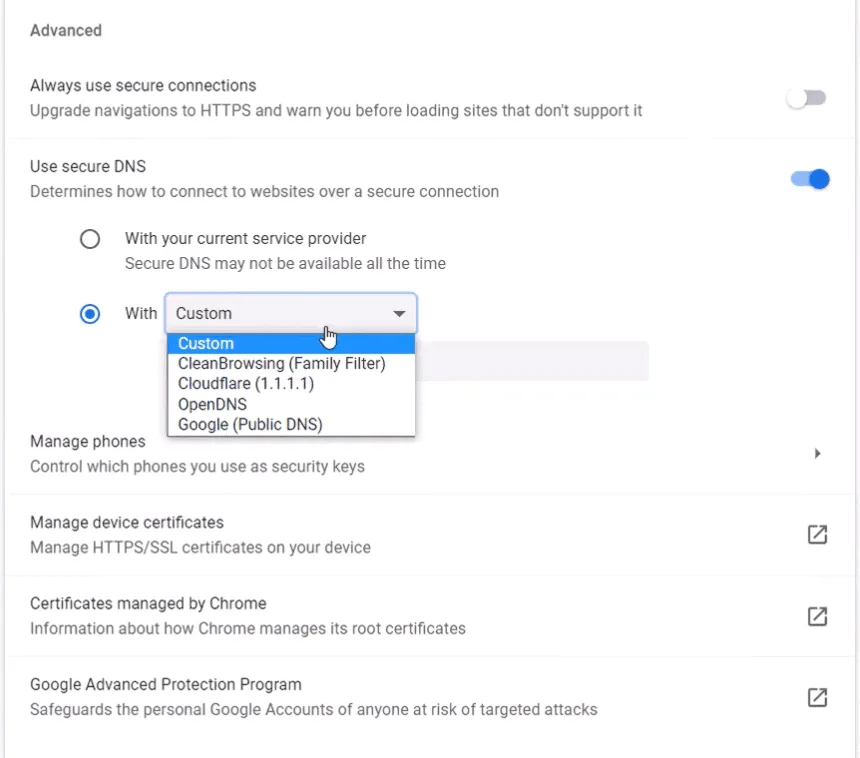
You can do this by entering the IP address of the alternate DNS in your system’s network settings, such as the Google Public DNS (8.8.8.8, 8.8.4.4) or Cloudflare (1.1.1.1).
Or, go to Chrome Settings > Privacy and Security > Security. Under Advanced, turn on Use Secure DNS and change your DNS provider from the dropdown.
Is your WordPress website down and affecting the user experience? Learn about the 8 Things to Check and Know How to Fix them.
5. Using Smart DNS
When you want to access a website that has implemented geo-blocking, Smart DNS reroutes your internet traffic via a proxy to allow access to the content.
Plus, this website unblocker method does not encrypt the traffic like a VPN, so your internet traffic is faster.
This also makes it ideal for accessing various bandwidth-intensive activities. To use Smart DNS to unblock restricted websites, you need to subscribe to a Smart DNS service, configure your device’s DNS settings, and you’ll be able to access blocked websites.
6. Using Chrome Extensions
Several Chrome extensions allow you to access blocked websites the same way a VPN does.
These extensions also work by rerouting your internet traffic through their servers and hiding your IP address from the website you’re on.
Install a VPN or proxy extension from the Chrome Web Store, activate it, and access the blocked website. Check the reviews and privacy policy first, because free extensions can log your traffic.
Did you know you can even block IP addresses easily on WordPress? Here’s how:

7. Switching Between HTTP and HTTPS
If you’re wondering how to get past blocked websites, one of the simplest ways is to switch to its HTTPS version.
So, try switching the URL to https to access a blocked site.
Since HTTPS is the standard for most websites to ensure security, usually HTTP versions get blocked and you might be able to access the https version.
However, for the same reason that HTTPS is now a standard, the solution might not work for all websites.
8. Switching to Mobile Data or a Hotspot
If the block sits on your school, workplace, or home Wi-Fi, the quickest test is to leave that network. Mobile data and a phone hotspot use your carrier’s network, so the Wi-Fi filter no longer applies.
To switch networks, follow these steps-
- Turn off Wi-Fi on your device
- Turn on mobile data, or enable the hotspot on your phone and connect your computer to it
- Open the blocked website again
If the site still will not load, the block is probably on the website, your internet provider, or your device, so move on to the VPN, DNS, or Tor methods above. Google retired its public cached-page links and the cache: search operator in 2024, so a cached copy is no longer a way around a block.
Suggested Read: 6 Best Cache Plugins to Pass Web Vitals Test
9. Using Web Archive
Another easy method to access blocked websites is to use web archive services such as Wayback Machine. These services maintain copies of web pages from various times.
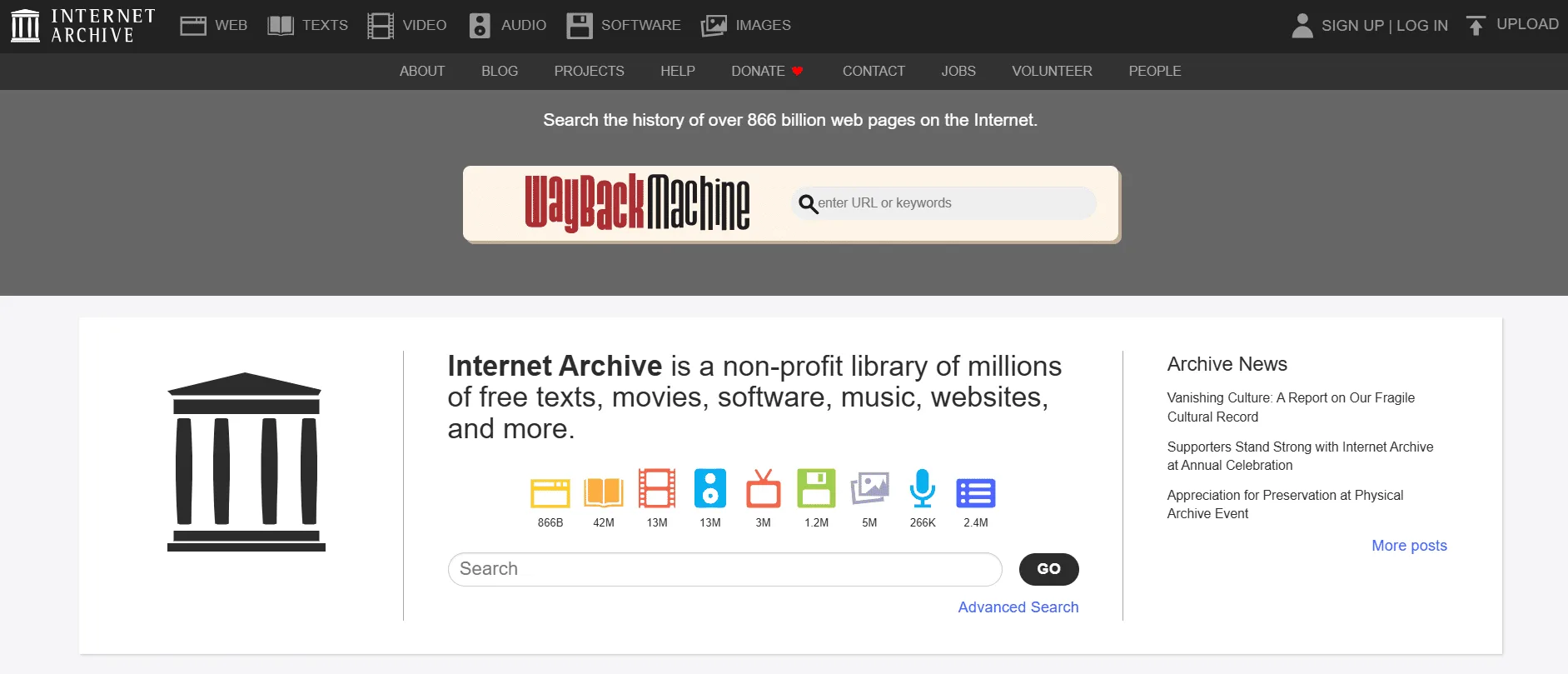
So, you’ll be able to access older, archived versions of websites even if they are blocked due to restrictions and downtime.
Here’s how you can use web archive services-
- Go to any web archive service website, such as archive.org for Wayback Machine.
- Enter the URL of the blocked website in the search bar
- The service will display a calendar highlighting the dates for which the archive versions are available.
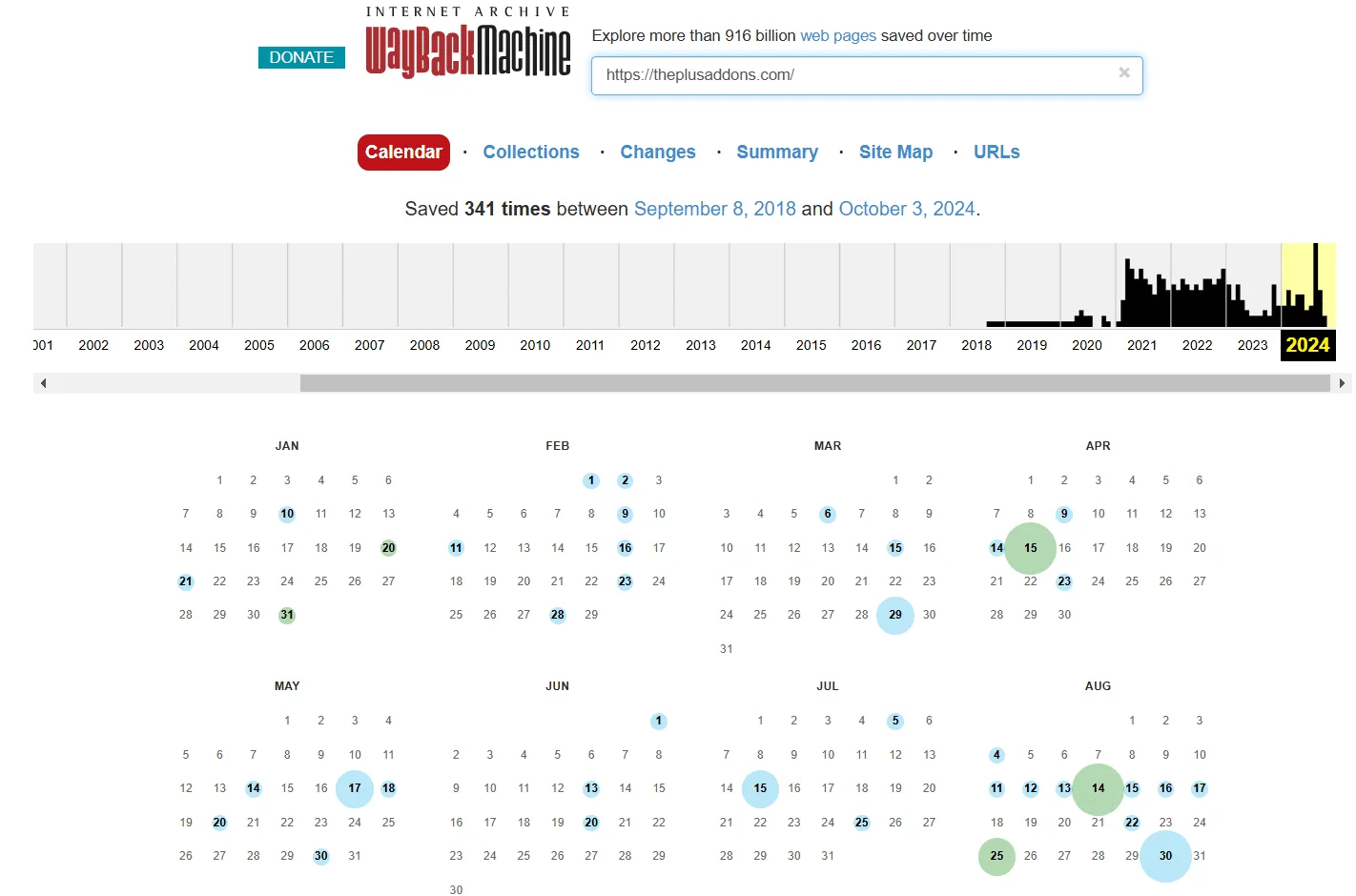
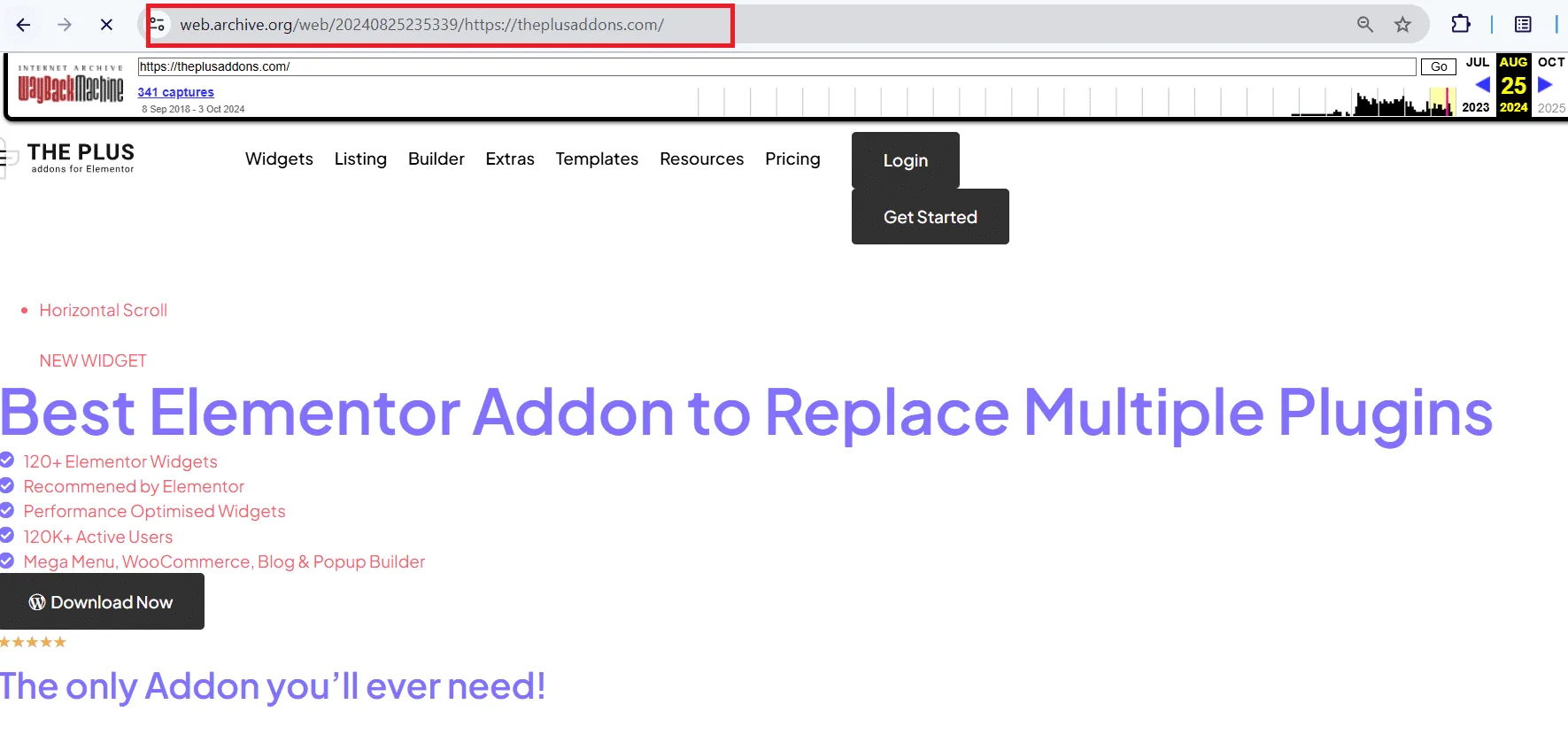
- Click on a specific date to view the archived website version from that date.
- The archived version of the site will be displayed, even if the original site is blocked.
Unable to access your website due to a server error? Know How to Fix 500 Internal Server Error in WordPress.
How to Choose the Right Method for Your Block
Not every block needs a VPN. The right fix depends on who is doing the blocking and what they are blocking, so match the method to the cause before you install anything.
| Who Is Blocking | What You See | Best Method to Try First |
|---|---|---|
| Your ISP or government | Site fails to load or shows a block page | Changing DNS servers, then a VPN |
| School or workplace network | Filtered category or a firewall notice | Mobile data or a hotspot (if policy allows) |
| The website itself | Region lock or an access denied message | VPN or Smart DNS |
| A deleted or offline page | 404 or a server error | Web Archive |
Start with the lightest option. Changing your DNS takes about two minutes and does not slow your connection, so it is a sensible first test when a single site refuses to load. If the block is tied to your location, a VPN or Smart DNS is the more reliable route, because it changes the region the website sees.
On a managed school or work network, remember that the filter exists because someone set a policy. Check the rules before you work around them, since breaking an acceptable use policy can carry consequences that outweigh one blocked page. On your own home network, you have more freedom to test each method in turn.
Finally, if you run the site that people cannot reach, the problem may sit on your side. Check your hosting status, security plugins and firewall rules before assuming visitors are being blocked by their own network.
Wrapping Up
Encountering blocked websites can be extremely frustrating, but through a few simple methods, you can access restricted content easily. This is possible through the use of VPNs, and proxy servers, changing DNS servers and Smart DNS, using Chrome extensions, and much more.
VPNs and proxy servers can be excellent free and widely used methods, making it easy to access blocked content.
However, if you’re looking for simpler ways, you can switch to mobile data, use a browser extension, or open a web archive copy.
And if you have a WordPress website, improve your audience’s web experience and user engagement with reliable plugins like The Plus Addons for Elementor. It offers you access to 120+ unique widgets to enhance your website’s design, functionality, and performance.
FAQs on How to Unblock Websites
What Are the Risks of Unblocking Websites?
Unblocking a website using methods such as proxy servers makes your site vulnerable to security risks as it does not encrypt the website traffic, making it visible to third parties.
Why Is Chrome Blocking Websites?
Chrome blocks websites to protect users from harmful or suspicious content, including malware, phishing attempts, or sites with poor SSL configurations. However, these blocks can also result from DNS issues, connectivity issues, or browser extensions or settings interfering with the website.
How Do I Unblock Websites on My Smartphone?
You can unblock sites on your smartphone by changing DNS settings, using a proxy server, or installing a VPN app. Ensure your internet connection is stable for these solutions to work.
How Can I Unblock a Website Without a VPN?
To unblock a website without a VPN, try using a proxy server, Tor browser, or adjusting your DNS settings. These alternatives provide access to blocked websites by bypassing regional or network restrictions.
What Is the Best Way to Unblock a Website?
The best methods include using a VPN or proxy server or changing DNS settings. VPNs are generally the most secure and versatile option for accessing blocked websites safely.
Is There a Free VPN?
Yes, there are various free VPNs available, but they often have limitations on speed, data, and server locations.
Which Browser Is Best for Blocked Sites?
The Tor browser is the most effective for accessing blocked sites, thanks to its focus on maintaining user privacy. Alternatively, Opera has a built-in VPN for simple access.

![5 Free Tools To Scan WordPress For Vulnerabilities [Protect Site]](https://theplusaddons.com/wp-content/uploads/2024/04/5-Free-Tools-To-Scan-WordPress-For-Vulnerabilities.jpg)
![How to Block IP Address in WordPress [3 Easy Methods]](https://theplusaddons.com/wp-content/uploads/2024/02/How-to-Block-IP-Address-in-WordPress-1.jpg)
![How to Secure WordPress Login Page [11 Proven Ways]](https://theplusaddons.com/wp-content/uploads/2024/02/How-to-Secure-WordPress-Login-Page1.jpg)
![6 Best WordPress Security Plugins [Both FREE & PRO]](https://theplusaddons.com/wp-content/uploads/2024/02/Best-Elementor-Templates-Resources-1.jpg)
![How to Remove Malware From WordPress Site [Guide]](https://theplusaddons.com/wp-content/uploads/2023/10/How-to-Remove-Malware-From-WordPress-Site.jpg)
![5 Best WordPress Malware Removal Plugins [Virus Protection]](https://theplusaddons.com/wp-content/uploads/2023/10/Best-WordPress-Malware-Removal-Plugins.jpg)