




How to Use Elementor Templates [Save, Import and Export]

Key Takeaways

  • Elementor templates are prebuilt page designs that can be inserted into any web page with a single click.
  • Page templates cover the entire layout of a web page, including homepage designs and landing pages.
  • Theme Builder templates in Elementor Pro allow users to create custom layouts for headers, footers, and single posts.
  • Exporting templates produces JSON files that can be re-imported to any Elementor site.
  • The Plus Addons for Elementor includes 120+ widgets and 300+ UI blocks for enhanced design options.

Elementor templates let you skip the blank-canvas frustration and build professional web pages in minutes.

Whether you are a beginner who just installed the plugin or a designer who builds dozens of sites per year, knowing how to insert, save, export, and import templates is one of the most valuable skills you can develop in Elementor.

This guide walks you through every step of using Elementor templates, from opening the Template Library for the first time to moving your saved designs between sites.

Table Of Contents

What Are Elementor Templates?

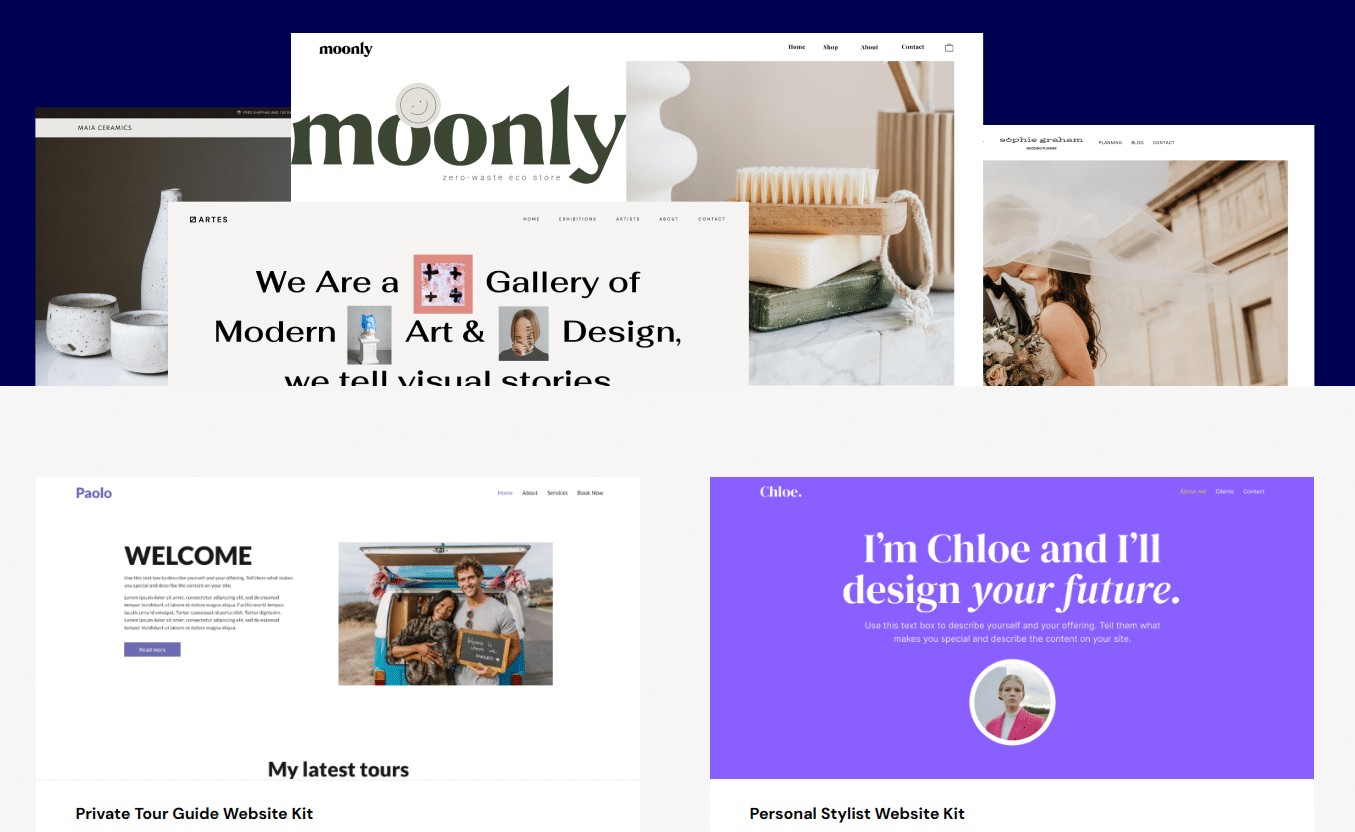
Elementor templates are prebuilt page designs and section layouts that you can insert into any web page with a single click. They live inside the Elementor Template Library, which you can access directly from the page builder canvas without leaving the editor.

Each template is made up of Elementor widgets arranged in a specific layout. You pick one, insert it, and then customize every detail: colors, fonts, content, spacing, and structure. The template gives you a professional starting point; Elementor gives you full control over every element within it.

What are elementor templates how to use elementor templates [save, import and export] from the plus addons for elementor

Templates also include a mix of basic and dynamic widgets that support real functionality like contact forms, navigation menus, image galleries, and more. And because all templates are fully editable, you are never locked into the design you start with.

If you are still weighing whether Elementor is the right page builder for your site, our Elementor review covers the full feature set in detail.

Types of Elementor Templates

Understanding the different types of templates helps you pick the right one for each design task.

Page Templates

Page templates cover the entire layout of a web page. These include homepage designs, landing pages, portfolio layouts, and service pages. They are best used when you want to launch a complete new page without starting from a blank canvas.

Section (Block) Templates

Section templates are smaller, modular pieces of a page: hero banners, feature grids, testimonial carousels, pricing tables, contact sections, and so on. You can insert multiple section templates onto a single page and combine them to create a unique layout. This approach gives you more design flexibility than using a single full-page template.

Theme Builder Templates (Elementor Pro)

With Elementor Pro, you gain access to the Theme Builder, which lets you create custom templates for the structural parts of your site that Elementor’s standard editor does not control:

  • Header templates: Custom navigation bars applied across your entire site
  • Footer templates: Site-wide footer designs
  • Single Post templates: Custom layouts for every blog post
  • Archive templates: Designs for category, tag, and search results pages
  • 404 templates: Custom error page designs

Theme Builder templates are condition-based. You set rules that determine exactly where each template appears, so you can have different headers for different sections of your site or a unique post layout for a specific category.

Popup Templates (Elementor Pro)

Elementor Pro also includes a Popup Builder with ready-made popup templates for opt-in forms, announcement banners, login overlays, and exit-intent popups. These are managed separately from the standard Template Library through the dedicated Popup Builder panel.

How to Use Elementor Templates [Step-by-Step]

Before you begin, make sure the Elementor plugin is installed and active on your WordPress site. If you are setting it up for the first time, our guide on how to use Elementor in WordPress walks you through the full installation and setup. If you have already done that, follow the steps below.

How to Insert Elementor Templates

Inserting a template from the library is the fastest way to add a professional design to any page.

Step 1. Open an existing page or create a new one in WordPress. Click Edit with Elementor to launch the page builder canvas.

Edit with elementor how to use elementor templates [save, import and export] from the plus addons for elementor

Step 2. Click the folder icon or the Add Template from Library button on the canvas to open the Template Library.

Add template from library how to use elementor templates [save, import and export] from the plus addons for elementor

Note: If this is your first time accessing the library, Elementor will prompt you to connect your account. Log in or create a free account, then continue.

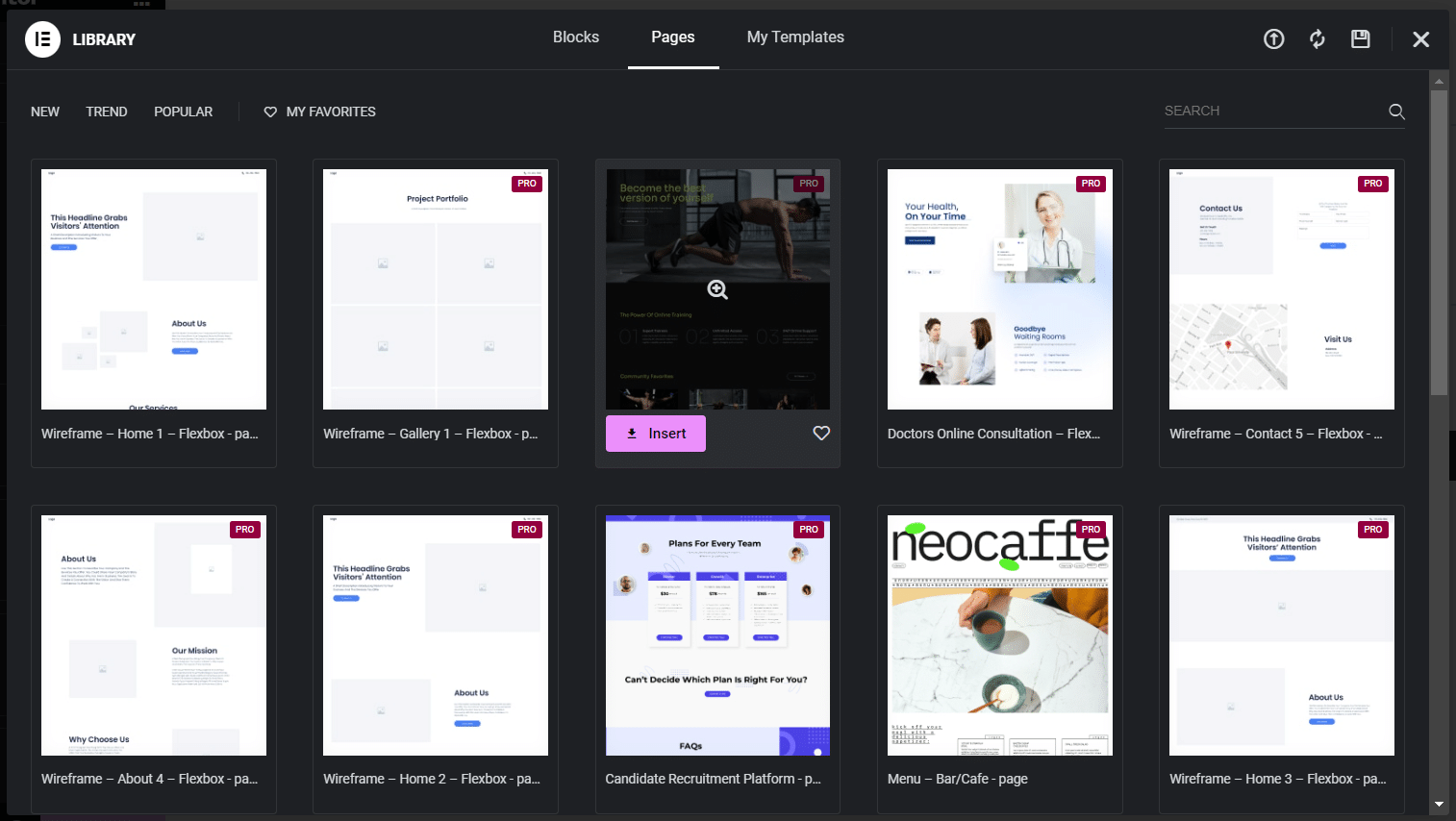
Step 3. Browse templates by category or use the search bar to find a specific type. Click the magnifying glass icon on any template to preview it at full size before you commit.

Elementor template library how to use elementor templates [save, import and export] from the plus addons for elementor

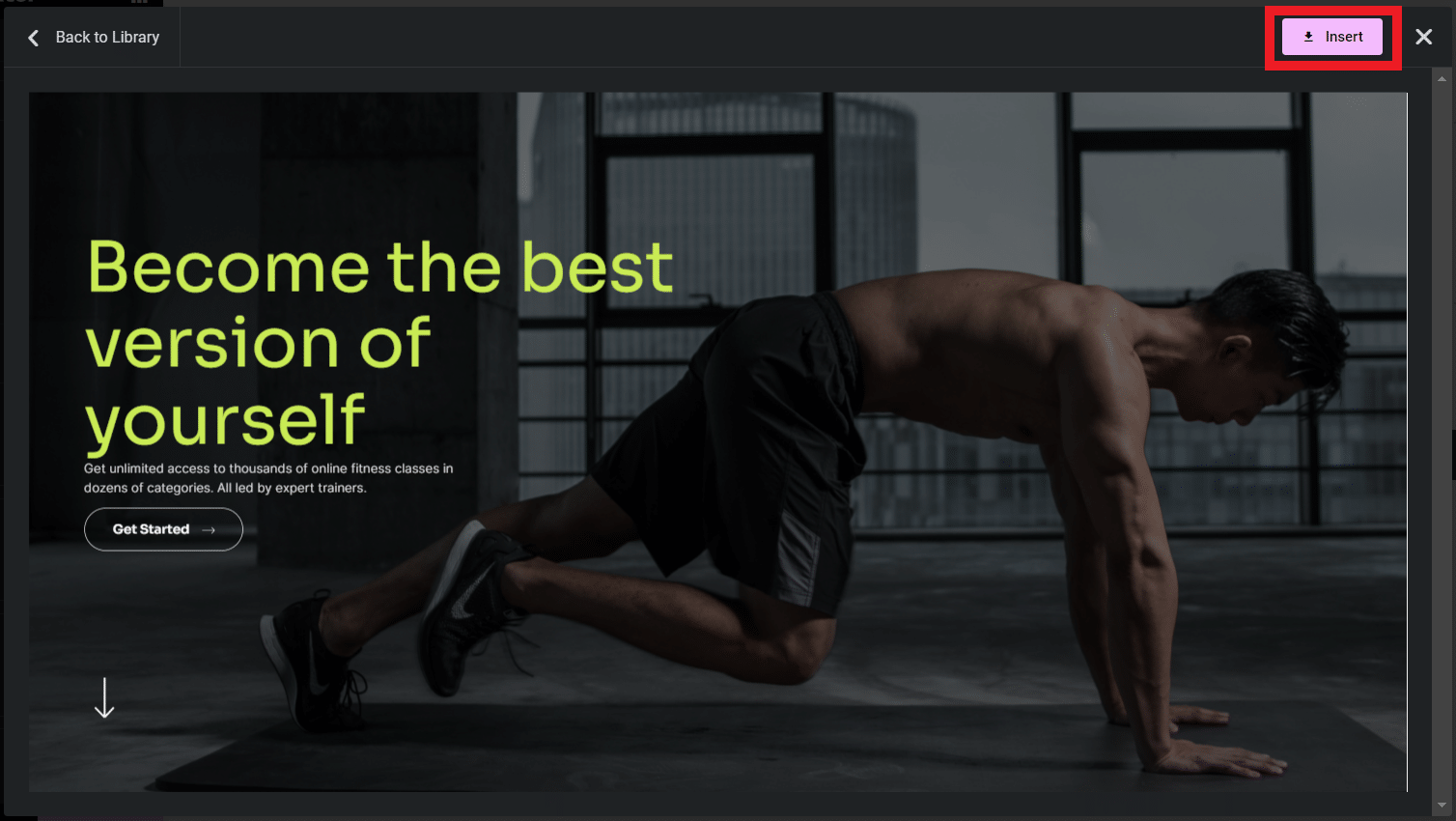
Step 4. When you find a template you want to use, click the Insert button. Elementor loads the template onto your page canvas immediately.

Click insert button how to use elementor templates [save, import and export] from the plus addons for elementor

Step 5. Customize the template using the Elementor widgets panel. You can update any text, swap images, change colors, adjust spacing, and add or remove Elementor widgets to make the design your own.

Add new elements from widget panel how to use elementor templates [save, import and export] from the plus addons for elementor

How to Save a Page as an Elementor Template

After you design or customize a page, you can save it as a template and reuse that exact layout on any future page. This works for pages you built from scratch and pages you created by modifying an existing template.

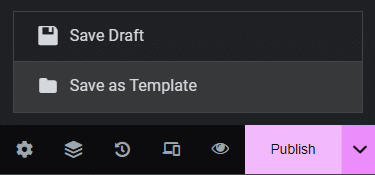
Step 1. In the Elementor editor, click the ^ arrow icon next to the Publish/Update button at the bottom of the sidebar.

Step 2. Select Save as Template from the dropdown menu.

Save as template how to use elementor templates [save, import and export] from the plus addons for elementor

Step 3. Give the template a name that describes what it is and click Save.

Save your page to library how to use elementor templates [save, import and export] from the plus addons for elementor

Your template is now stored in the Elementor Template Library and accessible from the My Templates tab whenever you open the library on any page.

My templates how to use elementor templates [save, import and export] from the plus addons for elementor

How to Save a Section as an Elementor Template

You do not have to save an entire page. If you build a section you want to reuse on multiple pages (a CTA block, a feature grid, a testimonial row), you can save just that section as a standalone template.

This is especially useful for design elements that appear across many pages. Save the section once and insert it anywhere in seconds.

Step 1. Hover over the section you want to save. Right-click the six-dot icon that appears at the top of the section when you hover over it.

Save section as a template how to use elementor templates [save, import and export] from the plus addons for elementor

Step 2. From the context menu, select Save as Template.

Right click six dot icon how to use elementor templates [save, import and export] from the plus addons for elementor

Step 3. Name the section template and click Save. The section will appear under My Templates in the Template Library.

How to Export Elementor Templates

Exporting lets you download a template as a file to your computer. You can use this to back up templates or move them to a different WordPress site.

Method 1: Export from the WordPress Dashboard

Step 1. In your WordPress dashboard, find the Templates tab in the left sidebar. It appears just below the Elementor menu item.

Export elementor templates how to use elementor templates [save, import and export] from the plus addons for elementor

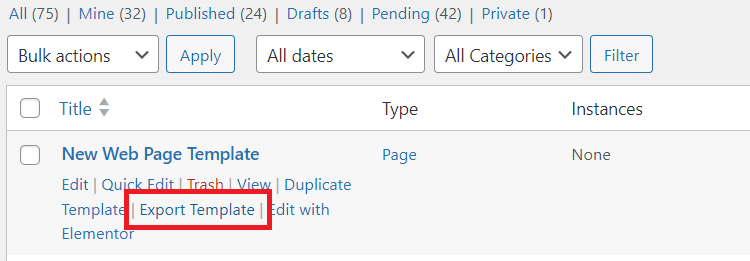
Step 2. Find the template you want to export, hover over it, and click Export Template.

Export template how to use elementor templates [save, import and export] from the plus addons for elementor

Step 3. Your browser will prompt you to save the file. Elementor exports templates as JSON files, which you can re-import to any Elementor site.

Method 2: Export from Inside the Template Library

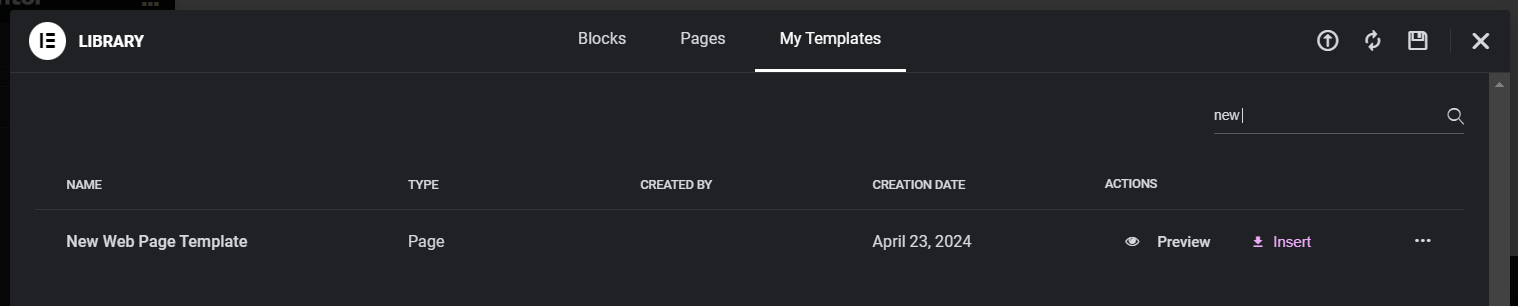
Step 1. Open the Template Library from the editor and go to the My Library tab.

Step 2. Click the three-dot icon next to the template you want to export and select Export.

How to use elementor templates [save, import and export] from the plus addons for elementor

Step 3. Name the file and save it. The template is stored as a JSON file on your device.

Both methods produce the same result. Use whichever fits your workflow better.

How to Import Elementor Templates

If you have a template file from another Elementor site or a third-party template pack, you can import it directly into your Template Library.

Step 1. From the WordPress dashboard, navigate to the Templates tab in the sidebar.

Import elementor templates how to use elementor templates [save, import and export] from the plus addons for elementor

Step 2. In the Saved Templates section, click the Import Templates button near the top of the screen.

Import templates how to use elementor templates [save, import and export] from the plus addons for elementor

Step 3. Click Choose a File and select the JSON or ZIP template file from your computer. Then click Import Now.

Choose file how to use elementor templates [save, import and export] from the plus addons for elementor
Import now how to use elementor templates [save, import and export] from the plus addons for elementor

Once imported, the template appears in My Templates and behaves exactly like any other saved template. You can insert it on any page using the standard library workflow.

20 checklist for wordpress site maintenance how to use elementor templates [save, import and export] from the plus addons for elementor
Do you Manage WordPress Websites? Download Our FREE E-Book of 20+ Checklist for WordPress Site Maintenance. ​
[contact-form-7 id="125716"]

Extend Elementor Templates with The Plus Addons

Elementor’s built-in template library is a solid starting point, but the selection is limited in terms of design variety and the number of pre-built options available. The Plus Addons for Elementor is the most complete addon available for expanding what you can build with templates.

The Plus Addons gives you:

  • 120+ Elementor widgets covering advanced sliders, mega menus, blog grids, timeline elements, interactive pricing tables, and much more
  • 300+ UI blocks that work as ready-to-insert section templates across every category: hero sections, feature showcases, testimonials, portfolios, WooCommerce sections, and more
  • 18+ pre-built page templates for complete site sections including headers, footers, single blog posts, eCommerce product pages, and landing pages

Every block and template in The Plus Addons is fully editable inside the Elementor editor. You get professional-grade designs without giving up any control over the final result.

The addon works seamlessly alongside Elementor’s native Template Library. A common workflow is to insert an Elementor page template as the base structure, then replace specific sections with The Plus Addons’ more detailed UI blocks for a result that looks fully custom rather than off-the-shelf.

The Plus Addons also supports the Elementor Flexbox Container layout system introduced in Elementor V4, so your templates are optimized for both performance and layout control. If you are new to the updated layout system, our Elementor Flexbox Container guide explains how it works and why it matters.

Tips for Getting the Most Out of Elementor Templates

These practical habits will make you faster and more organized as your template library grows.

Build your own library from day one. Save every section or page design that you might want to reuse in the future. The bigger your personal library in the My Templates tab, the faster every new project moves. It costs nothing to save a template you never end up reusing, but missing a saved design when you need it costs real time.

Use descriptive template names. Generic names like “Template 1” or “Homepage” make it difficult to find things later. Name templates with enough context to know what they are at a glance: “Services Page – Dark Background”, “CTA Block – Two Column”, or “Blog Post Footer – With Author Box”.

Combine section templates for unique results. There is no rule requiring a single template per page. Mix hero sections, feature blocks, and CTA rows from different templates to produce a design that looks nothing like the default options. This approach is faster than building from scratch and produces more original results than using a single page template unchanged.

Export before you make major changes. If you rely on a template and plan to redesign it, export a backup first. Re-importing the original takes about 30 seconds, so this is a low-effort safety net worth building into your workflow.

Take advantage of the six-dot context menu. Right-clicking the six-dot section handle gives you access to Copy, Paste, Duplicate, and Save as Template in one place. Learning these shortcuts speeds up repetitive design tasks significantly, especially when you work across multiple pages with shared layouts.

Wrapping Up

Elementor templates make it faster to design and launch web pages without starting from zero each time. Whether you are inserting premade designs, saving your own custom layouts for reuse, or moving templates between sites with the export and import workflow, these skills compound over time and make every project quicker than the last.

When you are ready to go beyond what Elementor’s built-in library offers, The Plus Addons for Elementor gives you 120+ widgets, 300+ UI blocks, and professionally designed templates for every common use case. It is the single fastest way to expand your Elementor design toolkit without learning a new tool.

Check out the Complete List of 120+ Widgets and Extensions here. Start building your dream website without coding!

About the Author

Photo of Aditya Sharma CMO of The Plus Addons for Elementor
CMO · The Plus Addons for Elementor · 7 years experience

He has spent years in the WordPress ecosystem building, breaking, and optimizing sites until they actually perform. He works at the intersection of speed, growth, and usability, helping creators ship websites that load fast and convert. An active WordPress community contributor sharing through tools, tutorials, and direct collaboration. Tested practice, not theory.

WordPressElementorn8nAIClaudeAutomationServer

Related Frequently Asked Questions

What should I do if my Elementor template isn't showing up?

If your Elementor template isn't appearing, ensure that you've connected your Elementor account to access the Template Library. This is a common step that can be overlooked. Once connected, try refreshing the page or clearing your browser cache, as this can resolve loading issues.

What is the best way to save a section as a template in Elementor?

To save a section as a template in Elementor, right-click the six-dot icon above the section you want to save, then select 'Save as Template.' This allows you to reuse specific sections, like contact forms or image galleries, without saving the entire page, streamlining your design process.

How do I import an Elementor template from another site?

To import an Elementor template from another site, navigate to the Templates tab in the WordPress dashboard, click 'Import Templates,' and select the file you exported earlier. This process allows you to bring your favorite designs to a new site, maintaining consistency across your projects.

What happens if I try to upload a non-ZIP Elementor template file?

If you attempt to upload a non-ZIP Elementor template file, the import will fail. Elementor only accepts ZIP files for template uploads. Ensure your template is correctly zipped before trying to import it, or you won't be able to access it in the Saved Templates section.

How can I access the Elementor Template Library?

To access the Elementor Template Library, open a web page in the Elementor page builder and click the 'Add Template from Library' icon (folder icon). This will allow you to browse through various templates, making it easy to find and insert the design you need for your project.

Last reviewed: April 24, 2026