


When I started watching which pages ChatGPT and Perplexity actually cite, a pattern showed up fast: they lean on sources the search engines already understand as real, named things. Not keywords. Entities. And the system that decides what counts as a known entity is Google’s Knowledge Graph. If you want AI engines to treat your WordPress site as a credible source, getting recognized in the Knowledge Graph is the groundwork. Here is how it works and how to earn a place in it.
What the Knowledge Graph Actually Is
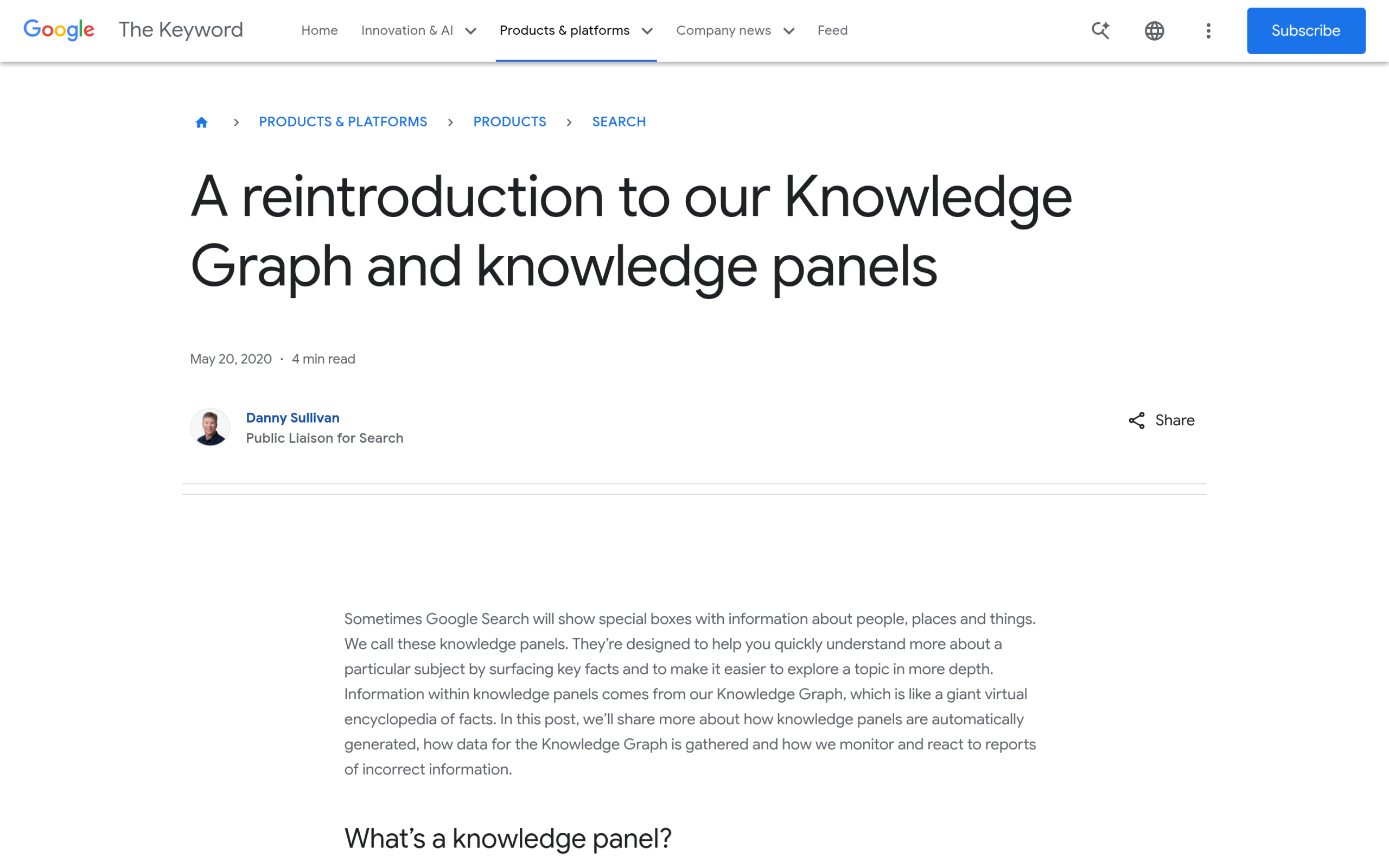
Google describes the Knowledge Graph as “a system that understands facts and information about entities from materials shared across the web.” An entity is a distinct thing: a person, a company, a product, a place. The Knowledge Graph maps those things and the relationships between them, which is what powers the knowledge panels you see on the right of many searches.
The scale is the part most people underestimate. By Google’s own number, the Knowledge Graph “has amassed over 500 billion facts about five billion entities.” That is the layer search and AI both reach into when they need to know what a thing is and whether it is trustworthy.
Why It Matters More in the AI Era
Old SEO rewarded the right words on a page. Answer engines reward the right entity behind the page. When Perplexity decides which sources to cite or Google AI Overview builds an answer, they favor sources that map cleanly to a known, corroborated entity. If Google is not sure who or what you are, an AI engine has little reason to put your name next to a claim.
That is the shift. Being recognized as an entity is no longer just about a nicer search result. It is about being eligible for citation in the AI answers that increasingly sit above the blue links.
How Google Builds the Knowledge Graph
Google draws from “hundreds of sources from across the web,” including licensed data for areas like music and sports, commonly-cited references such as Wikipedia, and structured data submitted by content owners themselves. No single source makes you an entity. The graph is built from agreement across many of them.
That has a practical consequence. You do not get into the Knowledge Graph by declaring yourself once. You get in when enough independent signals describe the same entity the same way, and when your own site provides clean structured data that confirms it.
How to Get Your WordPress Site Into It
The work splits into two halves: describe your entity cleanly on your own site, then earn corroboration off it.
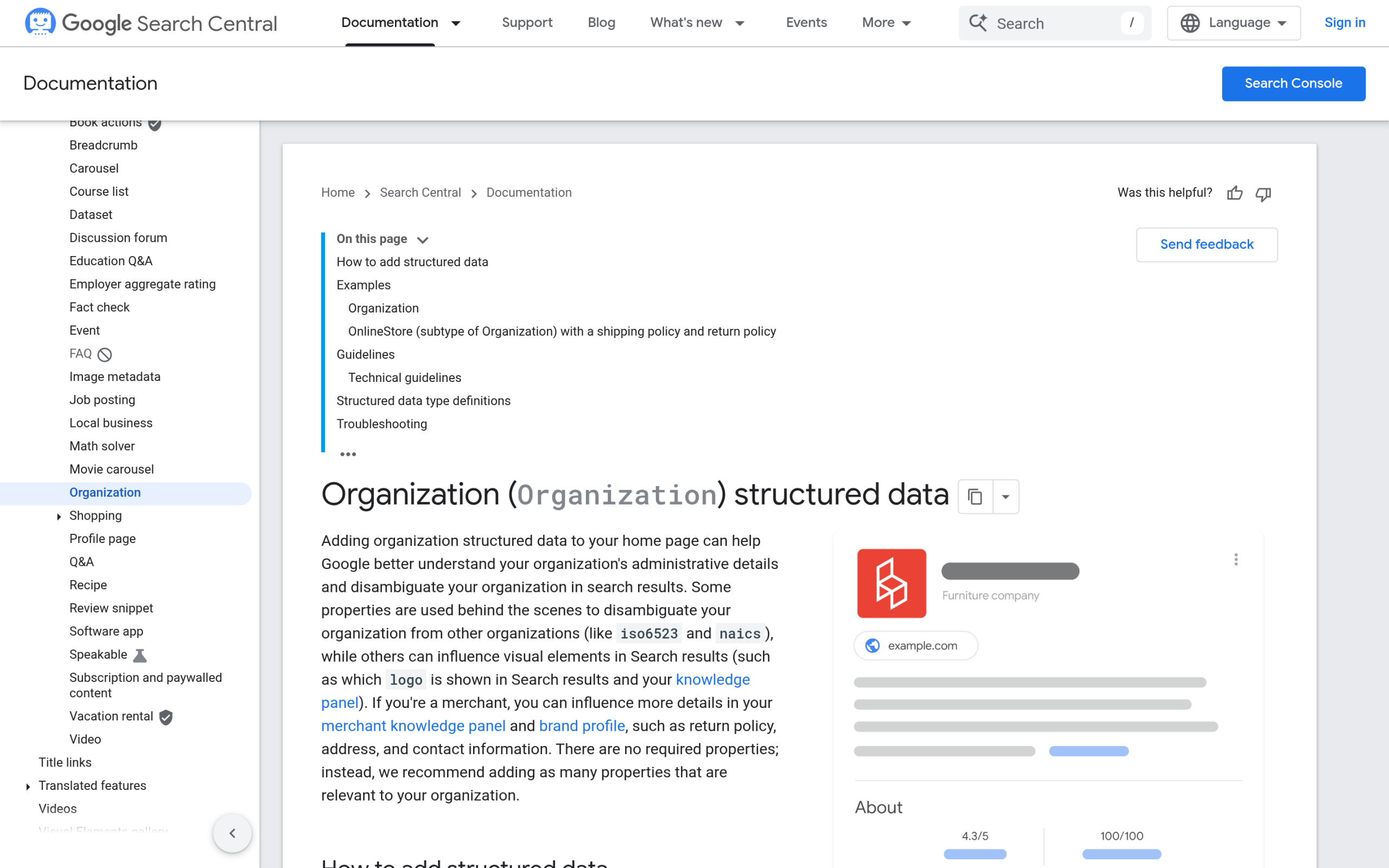
- Add Organization or Person structured data with a consistent name, logo, and description, and use the sameAs property to link your official profiles.
- Keep your entity details identical everywhere: the same business name and description on your site, your social profiles, and any directory you appear in.
- Earn authoritative mentions. Independent sources describing you the same way are what move an entity from “maybe” to “known.”
- Use schema markup that feeds AI citations, not just rich results, so the same structured signals help you in answer engines.
- Keep content fresh and factually consistent, because contradictory facts across your own pages weaken the entity rather than strengthen it.
Measuring Entity and AI Visibility with RankReady
The honest limit here is that you cannot force your way into the Knowledge Graph, and no plugin can either. What you can do is ship the structured signals these systems look for and then measure whether AI engines are actually picking you up. That is the gap RankReady fills, and it is free.
On the signal side, RankReady generates Article, Speakable, FAQPage, HowTo, and ItemList schema automatically, which is exactly the structured description entity systems and answer engines read. On the measurement side, its Live AI crawler log shows every time a bot like GPTBot, ClaudeBot, PerplexityBot, or Google-Extended hits your site, a Citation candidates leaderboard surfaces which pages are closest to being cited, and AI referral tracking shows real visits from chatgpt.com, perplexity.ai, claude.ai, gemini.google.com, and copilot.microsoft.com.
Your Knowledge Graph Action Checklist
- Publish Organization or Person schema with sameAs links to your official profiles.
- Make your name, logo, and description identical across every property you control.
- Add Article and Speakable schema to your key posts so answer engines can parse them.
- Pursue independent, authoritative mentions that describe you consistently.
- Track AI crawler hits and citations so you know whether the signals are landing.
The Knowledge Graph is how machines decide what is real on the web. Describe your entity cleanly, earn agreement across sources, and measure the result. That is the path from a page Google indexes to an entity AI engines cite.
Suggested Reading
- Schema markup for AI citations
- How Perplexity AI decides what to cite
- Getting into Google AI Overview
- How to get ChatGPT citations