Picture someone researching a product like yours. Instead of opening Google, scanning ten blue links, and clicking through to your page, they ask the browser itself and read the answer in a sidebar without ever landing on your site.
That is the shift ChatGPT Atlas represents, and it changes a quiet assumption most WordPress SEO has been built on: that being found means being clicked.
Atlas does not kill your traffic overnight, and this is not a reason to panic.
But it does change what “visible” means. This guide covers what ChatGPT Atlas actually is, why an AI browser shifts discovery from ranking to being cited, and the practical, honest steps that help a WordPress site stay findable when the browser is doing the reading.
What ChatGPT Atlas is
ChatGPT Atlas is OpenAI’s web browser with ChatGPT built in. OpenAI describes it as a browser that gives you “instant answers, summaries, and smart web help, right from any page,” with privacy settings you control. It launched in October 2025 and is available on macOS.

In practice, ChatGPT rides along in a sidebar as you browse. It can summarize the page you are on, compare options across sites, and answer questions using what it reads on screen.
OpenAI has also built in an agent mode that can carry out multi-step tasks for you inside the browser.
The detail that matters for site owners is simpler than the feature list: the assistant is reading and summarizing web pages on the visitor’s behalf, and the visitor may act on that summary without clicking through.
Why an AI browser changes how people reach your site
Traditional search sends a visitor to your page and lets them read it. An AI browser can read the page for them and hand back an answer. When that happens, the win is no longer only “rank on page one.” It is being the source the assistant pulls from and names.
That is a real change in what you optimize for, but it is not a mystery. To be used in an answer, your content still has to be reachable and understandable by the systems doing the reading.
The same qualities that make a page good for readers, clear structure, honest and specific information, fast loading, make it easier for an assistant to parse and quote.
There is no secret file that forces a citation. There is only being accessible, being clear, and being worth quoting.
What actually decides whether ChatGPT surfaces your content
What matters for site owners is OpenAI’s documented crawlers and agents, so those are the ones to think about:
- Can OpenAI’s crawlers reach you? GPTBot, OAI-SearchBot, and the user-triggered ChatGPT-User agent are how OpenAI’s stack discovers and fetches pages. If your robots.txt or a firewall blocks them, you opt out of being read. Decide that on purpose, not by accident. Our guide to the WordPress robots.txt for AI crawlers and the breakdown of ChatGPT-User and OpenAI’s crawlers walk through exactly which to allow.
- Is the page clear? Descriptive headings, plain answers near the top, and real structure help an assistant find the part that answers the question.
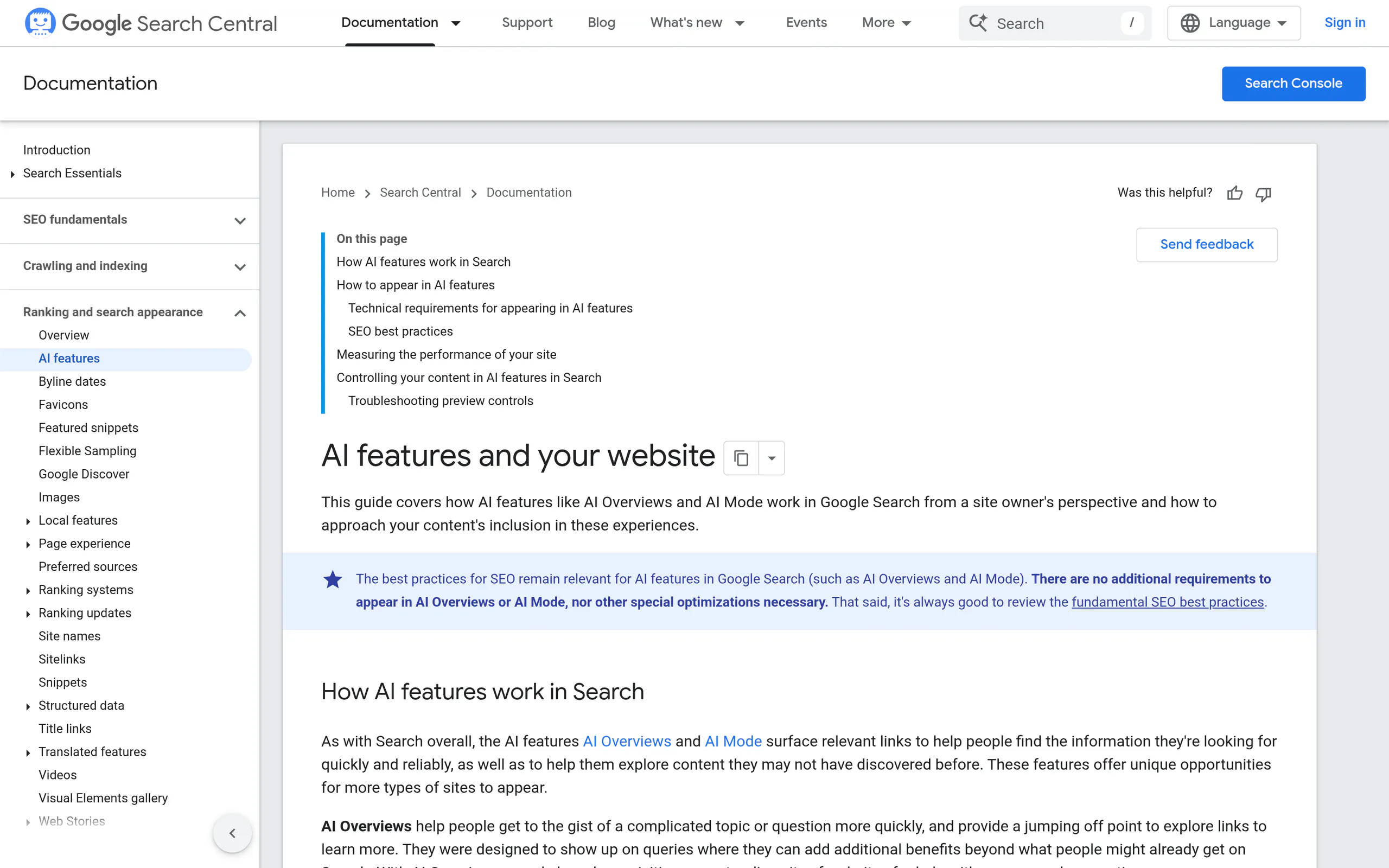
- Is the meaning machine-readable? Schema markup labels what your content is. It is not required to appear in AI answers, but it removes ambiguity, which is covered in schema markup for AI citations.
This is the same foundation behind answer engine optimization and AI search engine optimization. An AI browser is a new surface, not a new rulebook.
How to check if ChatGPT is already fetching and citing your site
Most WordPress owners have no idea whether AI systems are already reading their content, because standard analytics do not separate it out. This is the gap RankReady fills.
It is a free, GPL-licensed plugin that surfaces the AI activity your normal reports hide:
- AI crawler log, showing which AI crawlers fetched which pages, including GPTBot, ClaudeBot, Google-Extended, Bytespider, and CCBot.
- Citation candidates, the pages fetched mid-answer by the answering bots such as ChatGPT-User, OAI-SearchBot, PerplexityBot, Claude-Web, and DuckAssistBot.
- AI referral traffic, real visits from chatgpt.com, perplexity.ai, claude.ai, gemini.google.com, and copilot.microsoft.com, tracked server-side.
- An AI readiness score across signals like discovery, schema, author information, and crawler rules.

To be clear about what this does and does not do: RankReady tells you whether the ChatGPT ecosystem is fetching your pages and whether chatgpt.com is sending you visitors. It measures the signal.
No plugin, including this one, can guarantee that an assistant cites you. Anyone promising guaranteed AI citations is selling you something.
Practical steps to improve AI visibility on WordPress
- Allow the AI crawlers you want to be read by. Confirm your robots.txt and any security plugin are not silently blocking GPTBot or OAI-SearchBot if you want to appear in ChatGPT.
- Add schema to your key pages. Article, FAQ, HowTo, and author markup label your content so machines are not guessing.
- Lead with the answer. Put the direct response near the top of the page, then support it. Assistants quote the clearest passage, not the most padded one.
- Publish an llms.txt as a low-cost hedge. Be honest with yourself about it: AI adoption of llms.txt is still limited, and Google has said it does not use it. It costs almost nothing to publish, so treat it as insurance, not a strategy.
- Measure, then repeat what works. Watch which pages actually get fetched and referred, and write more of those.
What Atlas does not change
It is worth keeping perspective. Atlas launched on macOS and is one browser among many, so most of your visitors are still arriving the traditional way.
Its agent mode has deliberate limits, and an assistant still needs indexable, genuinely useful content to have anything to summarize. The right response is not to chase a new trick.
It is to keep publishing clear, credible pages, make sure the AI systems can reach them, and measure what gets picked up. For a fuller picture of how assistants pick sources, see how Perplexity cites WordPress sites and the wider list of web crawlers.
Wrapping up
ChatGPT Atlas is an early sign of where browsing is heading: the assistant reads, and the visitor acts on what it says.
You cannot control that, but you can make sure your site is reachable by the systems doing the reading, clear enough to quote, and measured so you know what is working.
Start by finding out whether AI is already fetching your content.